


1
2
3
4
5
6
7
8
9
10
11
12
13
14
15
16
17
18
19
20
21
22
23
24
25
26
27
28
29
30
31

32
33
34
35
36
37
38
39
40
41
42
43
44
45
46
47
48
49
50
51
52
53
54
55
56
57
58
59
60
61
62
63
64
65
66
67
68
69
70
71
72
73
74
75
76
77
78
79
80
81
82
83
84
85
86
87
88
89
90
91
92
93
94
95
96
97
98
99
100
101
102
103
104
105
106
107
108

 IIIF Manifest
- Painting by Tosa Mitsuyoshi (1539–1613) and Chōjirō (dates unknown)
- Four albums
- ink, color, and gold and silver on paper
- Japan, Momoyama period, 17th century
- Kyoto National Museum
- A甲16
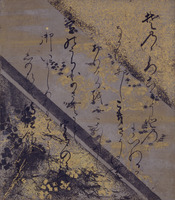
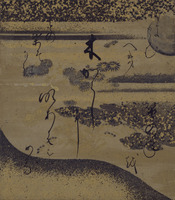
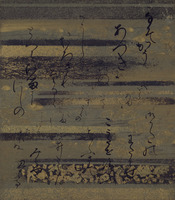
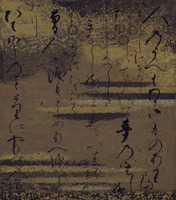
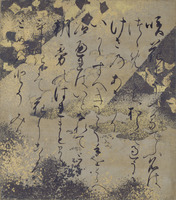
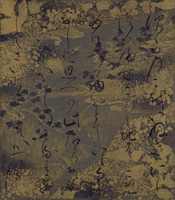
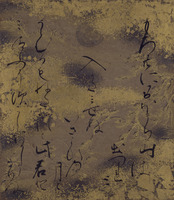
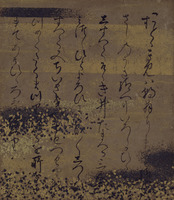
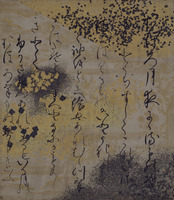
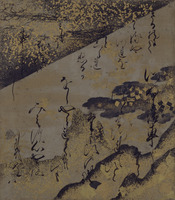
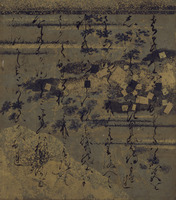
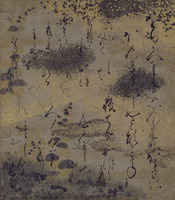
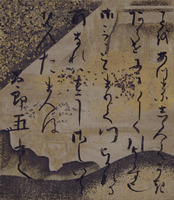
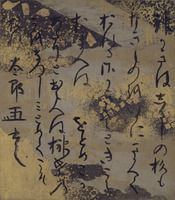
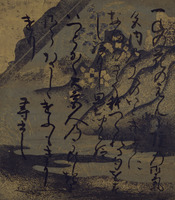
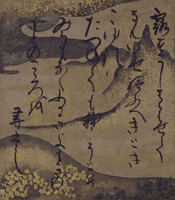
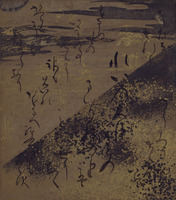
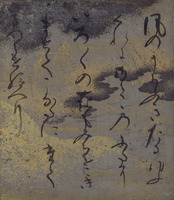
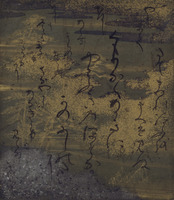
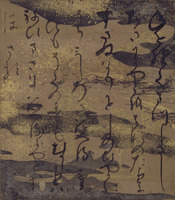
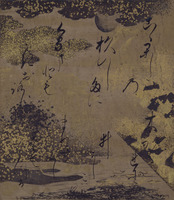
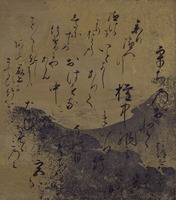
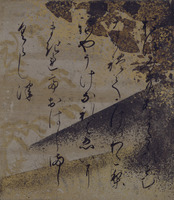
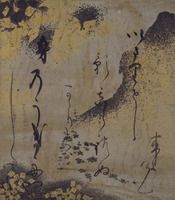
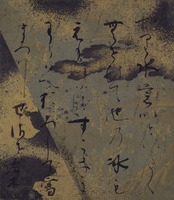
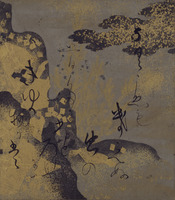
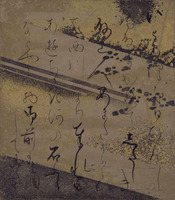
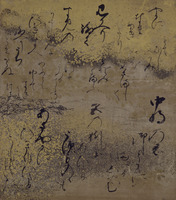
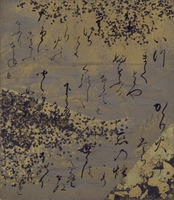
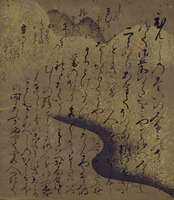
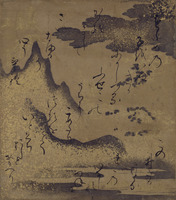
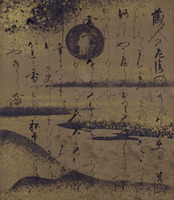
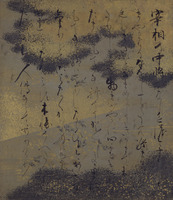
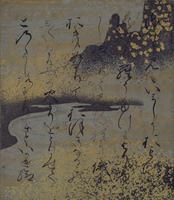
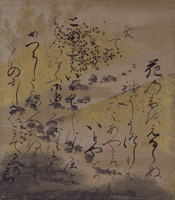
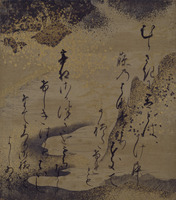
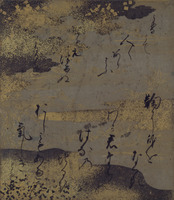
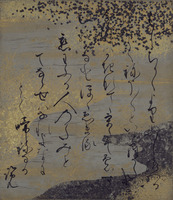
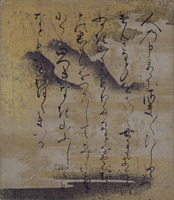
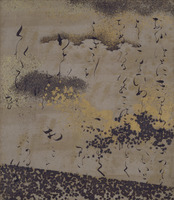
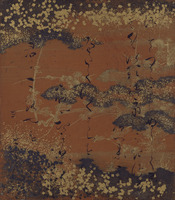
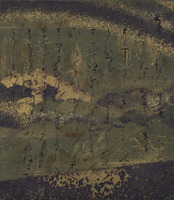
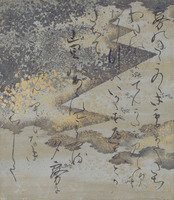
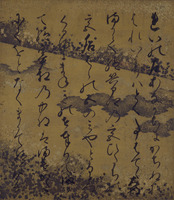
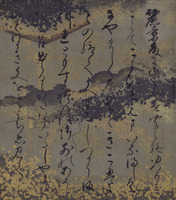
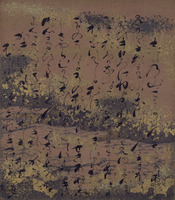
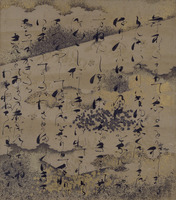
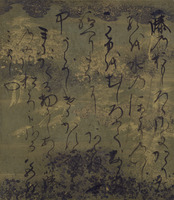
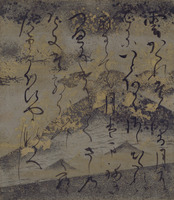
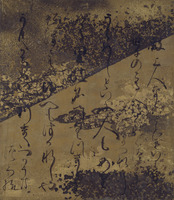
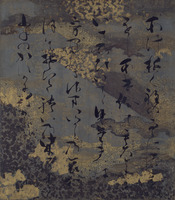
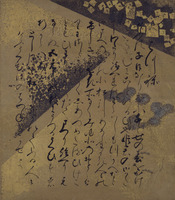
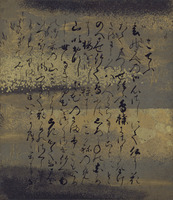
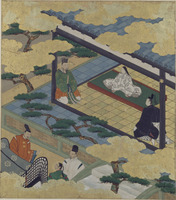
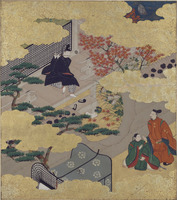
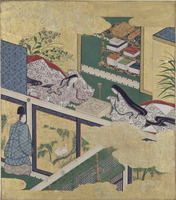
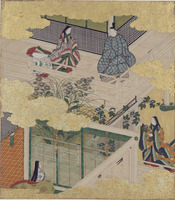
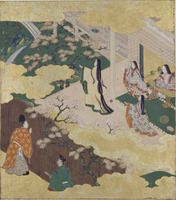
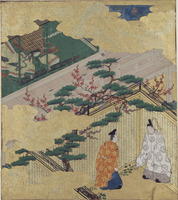
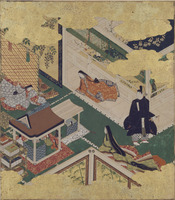
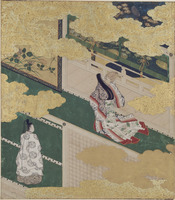
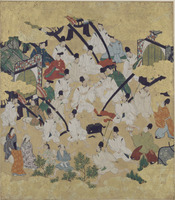
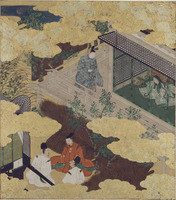
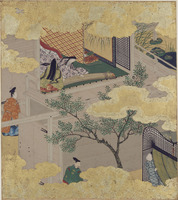
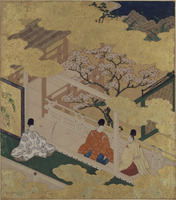
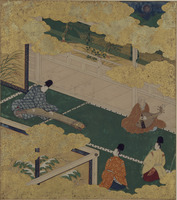
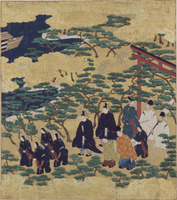
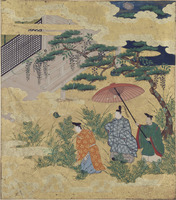
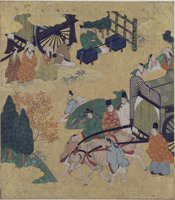
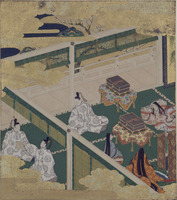
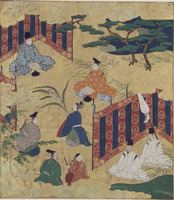
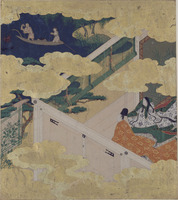
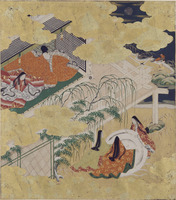
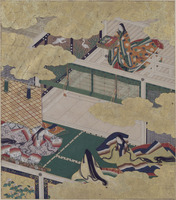
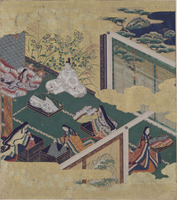
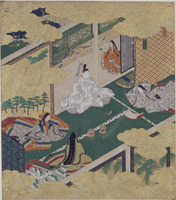
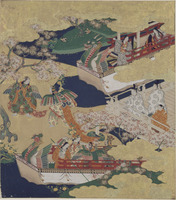
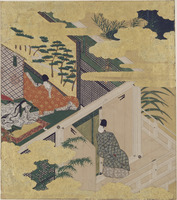
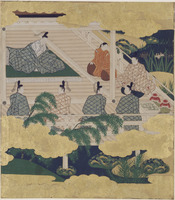
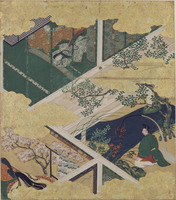
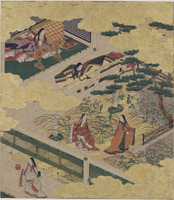
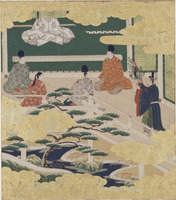
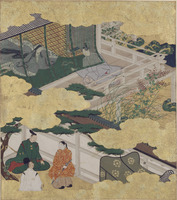
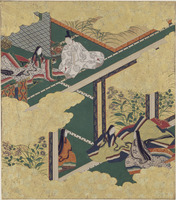
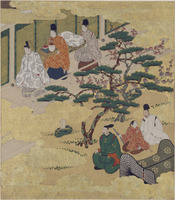
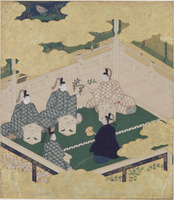
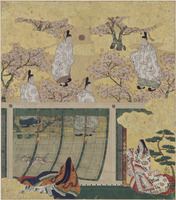
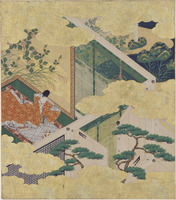
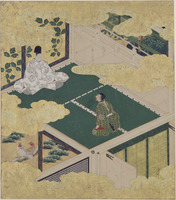
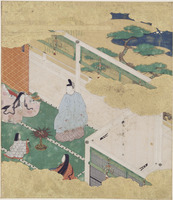
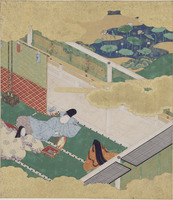
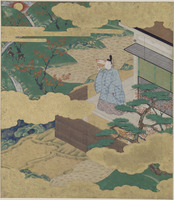
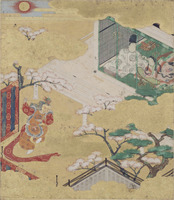
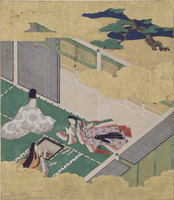
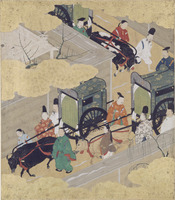
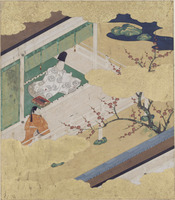
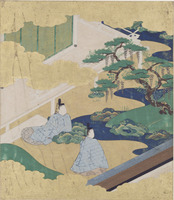
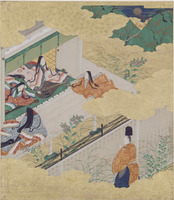
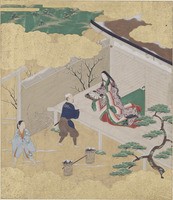
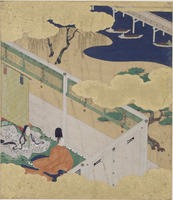
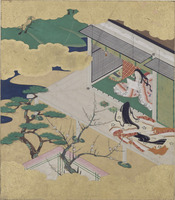
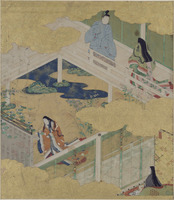
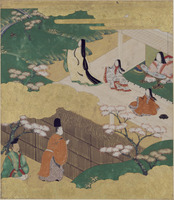
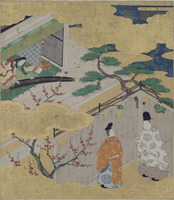
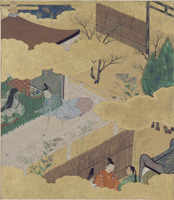
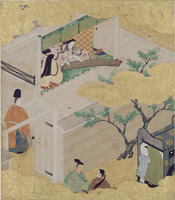
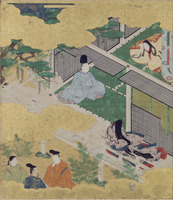
This artistic depiction of the famous Japanese novel The Tale of Genji (Genji monogatari) is a masterwork of Genji-e (pictorial representations of the novel) embodying the aesthetics of the seventeenth-century aristocracy. The painter in charge of the project was Tosa Mitsuyoshi (1539–1613), a disciple of Tosa Mitsushige (1496–1559), head of the court painting bureau at the time. The text pages were executed with dazzling skill by major calligraphers of the day, seemingly vying with one another as they inscribed excerpts from each chapter onto papers elaborately decorated with gold and silver foil, threadlike strips, flakes, and paint.
Many small-scale paintings of The Tale of Genji were produced in the sixteenth and early seventeenth centuries, from the late Muromachi period through the early Edo period; among them, this work is considered to be particularly exceptional for its brilliant colors and intricately detailed illustrations. The clouds and mist expressed with cut gold and silver foil and gold flakes creates an effectively dignified yet resplendent atmosphere for the period drama.
This work was originally bound into two albums, with paintings and calligraphy on rectangular poem cards (shikishi), which were pasted onto both the front and back of each leaf. It was altered to its current four-album format with recent conservation. During the conservation process, black ink signatures and seals and were found on the backs of the paper poem cards, revealing the paintings to be in the hand of the well-known artist Tosa Mitsuyoshi (1539–1613) and a lesser-known painter named Chōjirō.
Scholars believe that Mitsuyoshi was responsible for the first thirty-five paintings, spanning Chapter 1 “Kiritsubo” (The Lady of the Paulownia-Courtyard Chambers) to Chapter 35 "Wakana ge” (Early Spring Genesis: Part 2). On their reverse sides, these paintings bear the seal “Tosa Kyūyoku,” another name for Mitsuyoshi. The remaining nineteen images are thought to been painted by Chōjirō, seemingly Mitsuyoshi’s disciple.
The albums contain fifty-four paintings in total, the same number of chapters as in the novel, but in actuality, the last six paintings duplicate earlier chapters: “Yugao” (The Lady of the Evening Faces), “Wakamurasaki” (Little Purple Gromwell), “Suetsumuhana” (The Safflower), “Sakaki” (A Branch of Sacred Evergreens), “Hana chiru sato” (The Lady at the Villa of Scattering Orange Blossoms), and “Yomogiu” (A Ruined Villa of Tangled Gardens). The actual final six chapters of the novel, from Chapter 49 “Yadorigi” (Trees Encoiled in Vines of Ivy) to Chapter 54 "Yume no ukihashi” (A Floating Bridge in a Dream), are missing.
The calligraphic excerpts from each chapter are in the hand of Emperor Go-Yōzei (1571–1617) and other members of the imperial royalty, including Prince Sonjun (1591–1653), abbot of Shōren-in Temple, and Prince Toshihito (1579–1629), founder of the Hachijō no Miya house. Other texts were brushed by eminent aristocratic calligraphers in the imperial court, including Konoe Nobutada (1565–1614), Karasumaru Mitsuhiro (1579–1638), and Nakanoin Michimura (1588–1653).
Of these, only two people, Konoe Nobutada's daughter, Tarōgimi, and Konoe Nobuhiro (1599–1649), left their signatures on the work. This indicates a high probability that this set of albums was made by request of the well-known court noble Konoe Nobutada.
101369
0
0
